

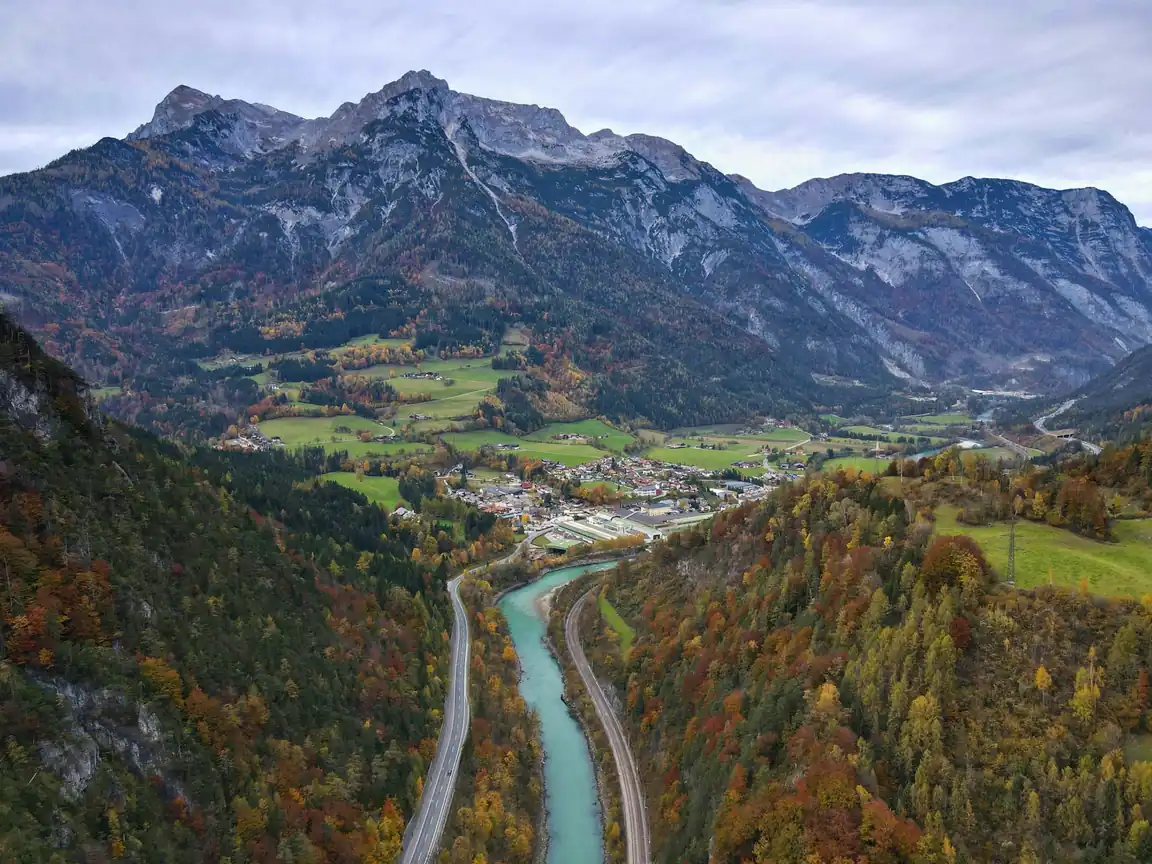
Why September is Europe’s best travel month
Trade Peak Season for Peak Experience: Discover Europe in September for perfect weather, quiet beaches, and spontaneous adventures.
PayPal Pay in 3 interest-free payments on purchases from £20-£3,000. New to Pay Later? Spend £100+ and get £15 cashback. Credit option. Learn more about PayPal Pay in 3

What is the best month to travel to Europe?
The best time to visit Europe depends on the kind of trip you want. In May and June, you’ll find fresh scenery and a calm, expectant atmosphere. July and August are lively, hot, and crowded with summer travellers. When winter comes, Europe feels cosy, with festive markets and snowy streets. If you want a perfect mix of warm weather, fewer crowds, and the chance to discover at your own pace, one month stands out. Here’s why September is the best time to travel in Europe.
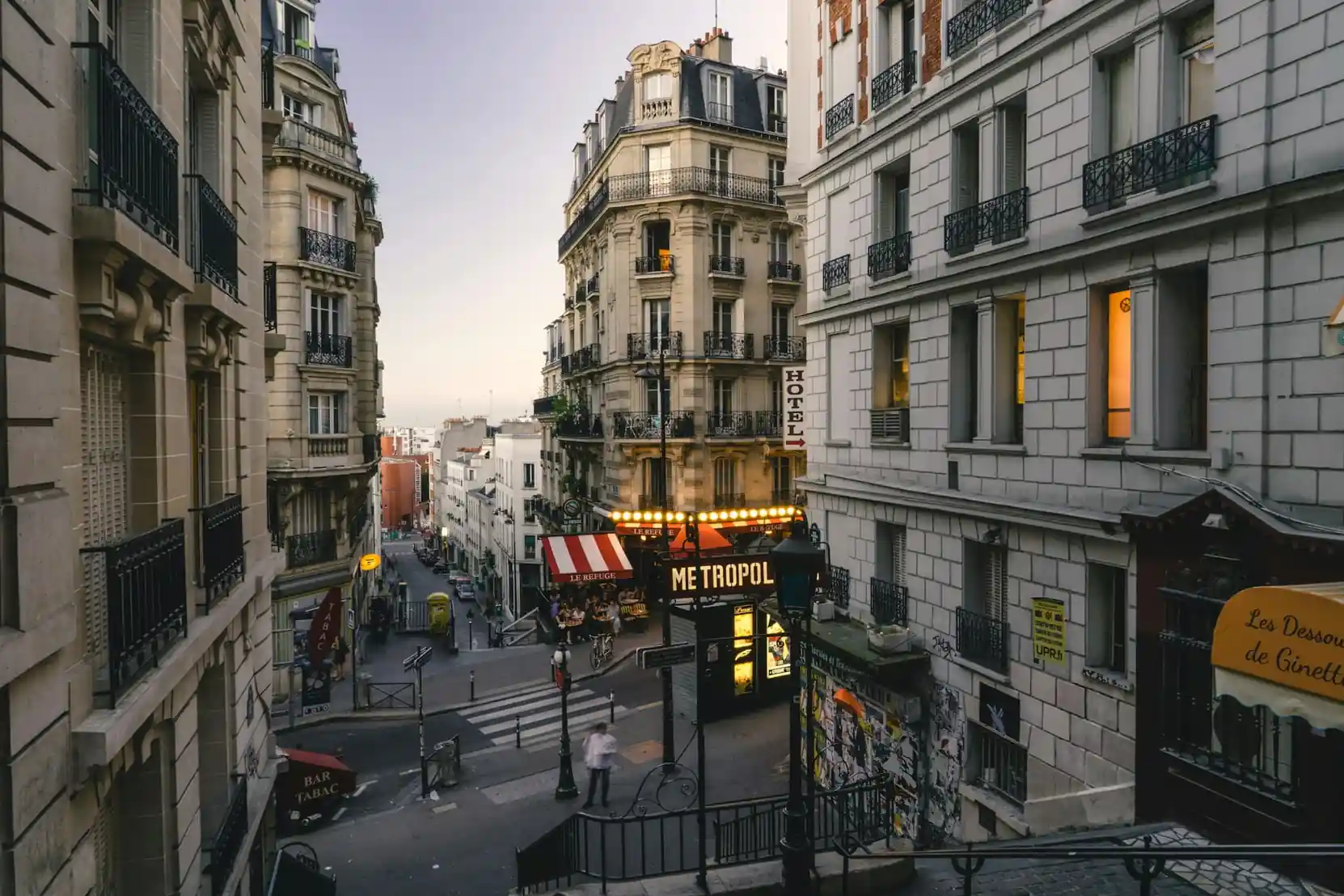
Why Travel to Europe in September
It’s a fact. August gets all the attention. It gets the school holidays, the packed beaches and the annual rush to make summer count before it disappears.
Then September arrives and everyone acts as though the travelling year is over… but the truth is they’re missing the best bit!
September is one of the best months to visit Europe. It combines late summer conditions with fewer peak season crowds, changing seasonal food and more freedom to travel at your own pace; and for anyone not tied to the school holidays, it can offer a calmer way to see more of the continent.
That’s not just wishful thinking. In 2025, nearly a third of all nights in EU tourist accommodations were booked in July and August, with August topping the charts in 19 countries. By the time September arrives, the summer crowds begin to thin and the frantic holiday pace softens.
There's more room to move. More freedom to decide as you go. More time to enjoy where you are, rather than sharing every inch of it with everybody else. September shouldn’t be a second choice.
It actually might just be the smartest month of the year to go and if you stay in parts of Scotland like Edinburgh, you can enjoy the bank holiday weekend to have a September Family Holiday in Europe.
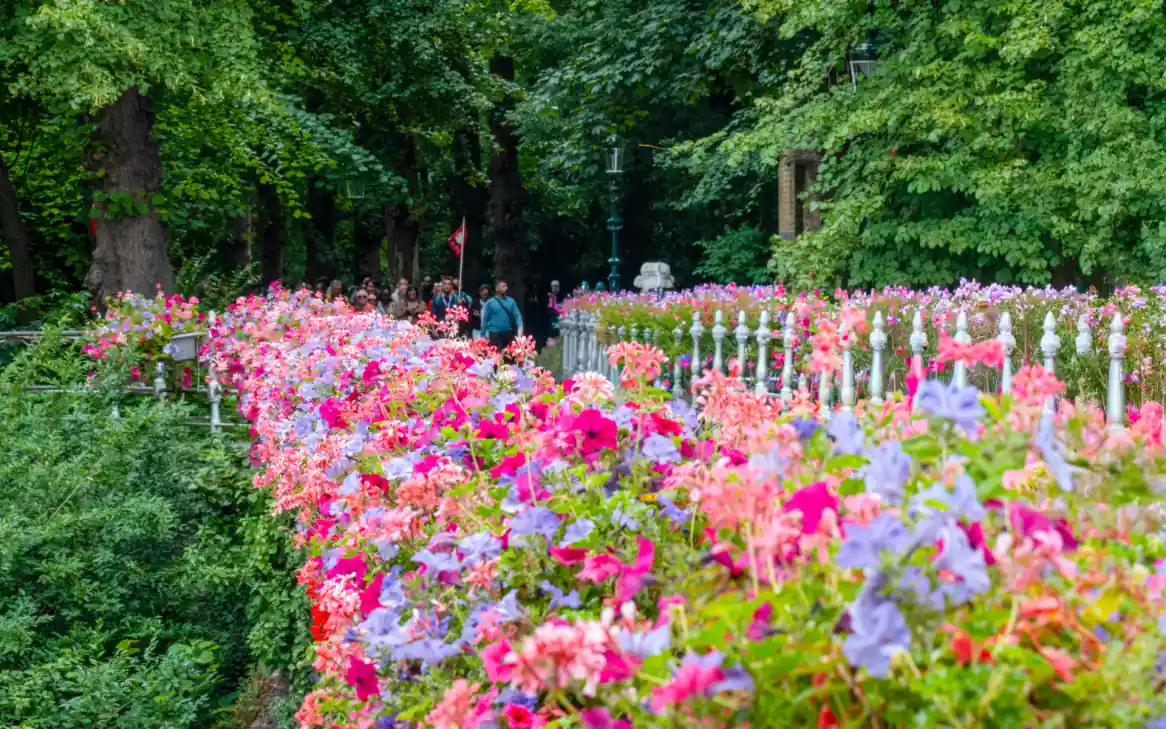
Is Europe still warm in September?
Summer, with a softer touch
September marks the transition between summer and autumn, bringing some of the year's most pleasant travel conditions across Europe. While the peak heat of midsummer begins to fade, many destinations still enjoy mild temperatures, longer daylight hours and plenty of opportunities to make the most of the outdoors.
Of course, Europe is a continent rather than a single forecast. Around Calais and northern France, for example, according to Research Gate, average daytime temperatures typically sit around 18-19°C in September, making it comfortable for exploring on foot, strolling along the coast or enjoying a drink outside when the sun is shining.
Across much of Western Europe, the weather feels gentler and more relaxed than in July and August. Days are often warm enough for sightseeing and outdoor dining, while cooler mornings and evenings can make exploring feel more comfortable.
There is still time for coastal walks, lazy lunches on café terraces and evenings spent outdoors, but without the intensity that can sometimes accompany the height of summer. September often strikes the perfect balance: comfortable conditions, fewer crowds and a slower pace that lets you enjoy destinations at their best.
You may find yourself reaching for a light jacket later in the day, but that's all part of the season's charm. After all, a little extra room in the car never hurts.
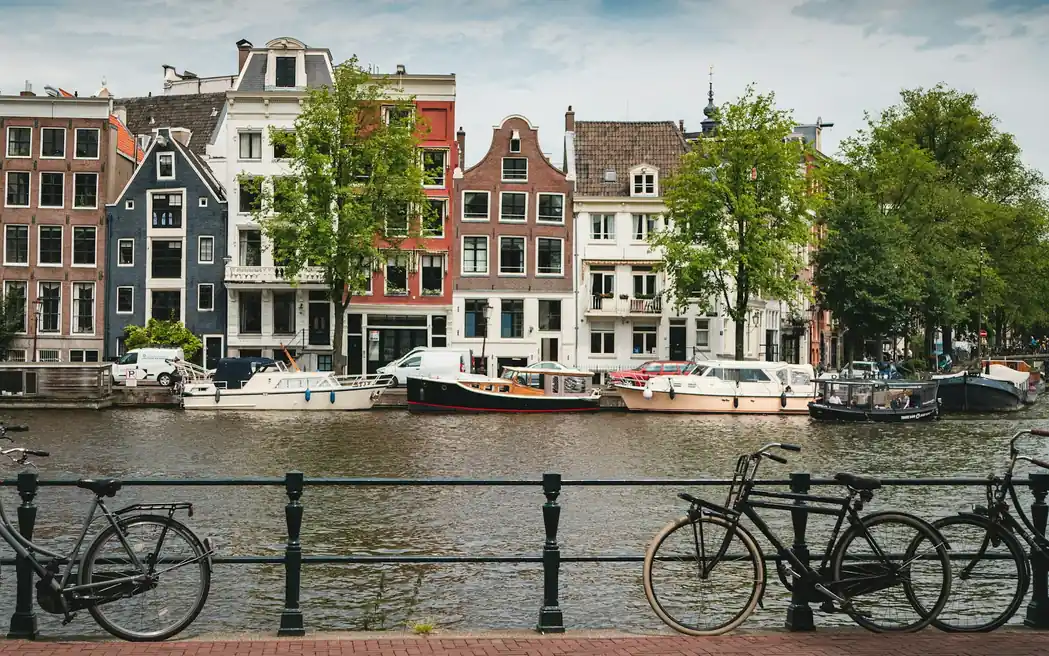
Is Europe less crowded in September?
The space to see places properly
Popular destinations are popular for a reason. The problem comes when everyone arrives at exactly the same time. Once the main summer rush begins to fade, a place can feel different. Markets become somewhere to browse rather than shuffle through. Old towns feel like towns again, not queues between landmarks. That little bit of extra space changes the experience.
It suits the places where the pleasure is found in wandering rather than racing through a list. Take Montreuil-sur-Mer, south of Calais. Its old town sits behind historic ramparts, with streets lined by centuries-old buildings and views across the surrounding countryside. The joy is not arriving with an hour-by-hour itinerary. It is walking the walls, finding lunch and allowing the afternoon to take its time.
Or there is Cassel, set among the hills of French Flanders. It brings together Flemish architecture, traditional estaminet restaurants, countryside walks and views that stretch beyond the town. It’s the kind of place where a museum visit can become a drink, which can become dinner, which can become a reason to stay longer.
They may not be the names everyone mentions when talking about a European break. But that’s rather the point.
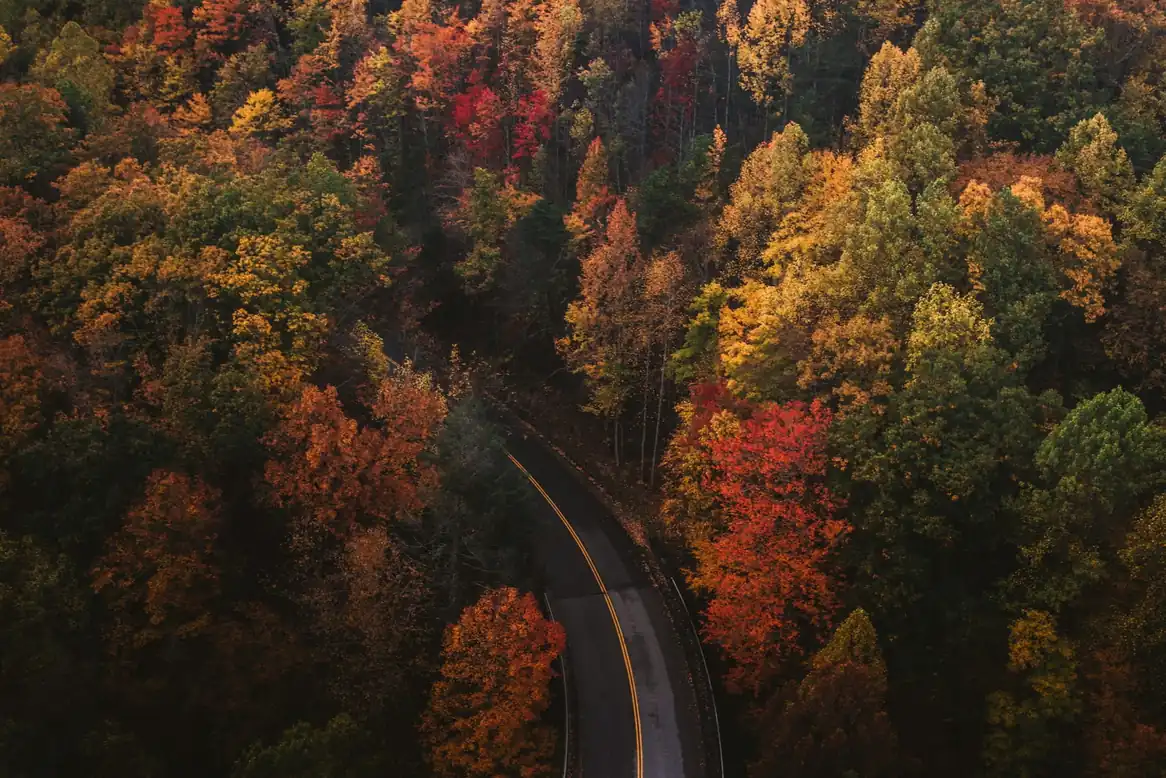
Why is September good for a road trip?
It leaves room for curiosity
Peak summer can turn travel into more of a timetable than a holiday. Book the restaurant. Reserve the parking. Start your beach holiday early. Make sure every hour counts.
September gives you a little more freedom to follow what looks interesting to you. Take the road you hadn’t planned to take. Stop in the town that catches your eye. Stay over lunch. The afternoon can wait.
Travelling by car suits that kind of trip. You are not limited to one city or the area around an airport. You can pack what you need, change the plan and see what lies beyond the obvious stops.
The Dover to Calais crossing takes around 90 minutes, with at least 11 sailings a day. That means the journey can fit around the break, rather than the whole break having to fit around the journey.
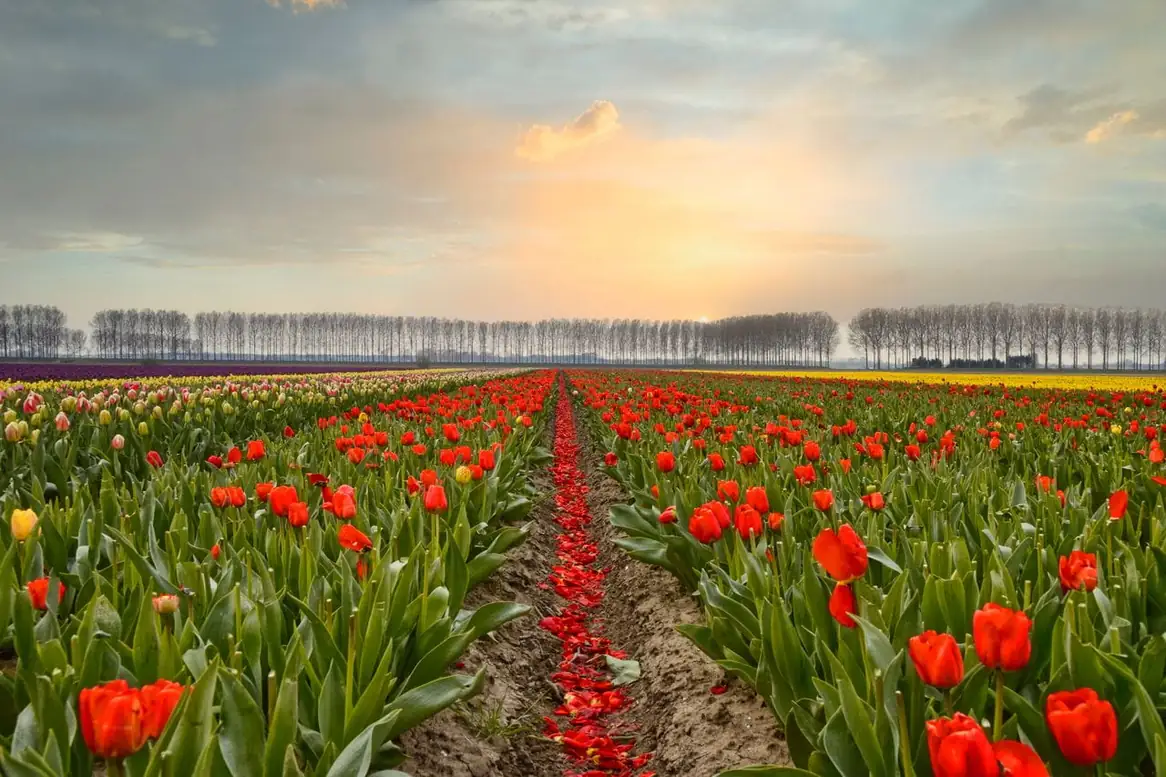
Where can I travel in September?
From Calais, you could follow the Opal Coast, head inland towards French Flanders or simply drive until somewhere looks worth stopping.
Saint-Omer is a good example of what sits beyond the obvious route south. The historic town is surrounded by canals, marshland and wide skies, with cobbled streets and lively squares at its centre. It feels less like a stop on the way to somewhere else and more like the reason you came.
For travellers in the north of England, the overnight sailing from Hull to Rotterdam takes approximately 11 hours and 30 minutes. Dinner, sleep and the crossing can all happen at once, leaving the next morning open for the Netherlands, Belgium or the road into Germany.
The pleasure is not necessarily covering as much ground as possible.
It's knowing that you could.
What is special about Europe in September?

It’s a very good time to arrive hungry
September is when parts of Europe begin moving from growing to gathering.
Across France, the grape harvest generally runs from late August into October, with exact timings changing by region, estate and weather conditions. Vineyards become working landscapes, markets start to shift with the season and menus begin to follow what is being picked, caught and prepared nearby.
It is vineyards and apple orchards. Seafood by the coast. Late-summer vegetables. Outdoor tables that gradually become evening tables.
You do not need to organise an entire food tour.
Sometimes it is enough to drive into a village, find the restaurant with the handwritten menu and order what everyone else appears to be having.
You can visit a market without wondering how you will carry everything home. Bring back wine, cheese, bread or the large bag of something you bought because the person behind the stall let you try one.
There’s room in the boot for that too.

Can September offer better value?
A trip that does not have to do everything
The main summer holiday can come with pressure.
You waited all year for it. You travelled during the busiest weeks. Every day has to count.
A September break can feel lighter.
It can be a long weekend, a few days of annual leave or simply a decision that summer deserves an encore.
Travelling outside the busiest July and August period may provide more flexibility around dates and accommodation, although prices and availability will always depend on the destination. The real value is not simply the possibility of spending less.
It is getting more of the place.
More time at the table. More freedom to change the plan. Less pressure to squeeze every experience into a single afternoon.
The trip does not need to be the main event of the year. It just needs to be worth going.
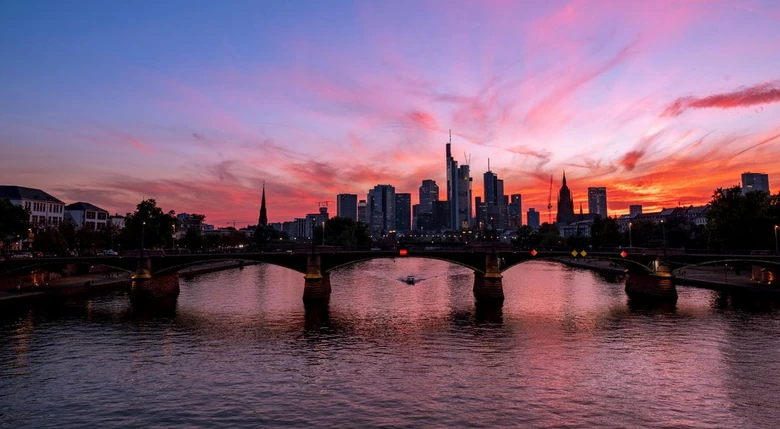
Europe looks good when the light softens
September has a different kind of beauty.
The sharp brightness of midsummer begins to soften. Beaches turn golden later in the day. Town squares glow in the early evening. Vineyards and countryside begin to shift towards autumn without losing summer completely.
It is a good month for the moments that become stories afterwards.
The quiet beach. The market you had never heard of. The restaurant found after taking the wrong turn. The afternoon that changed because nobody was in a hurry.
These things can happen at any time of year.
They are simply easier to notice when the pace slows down.
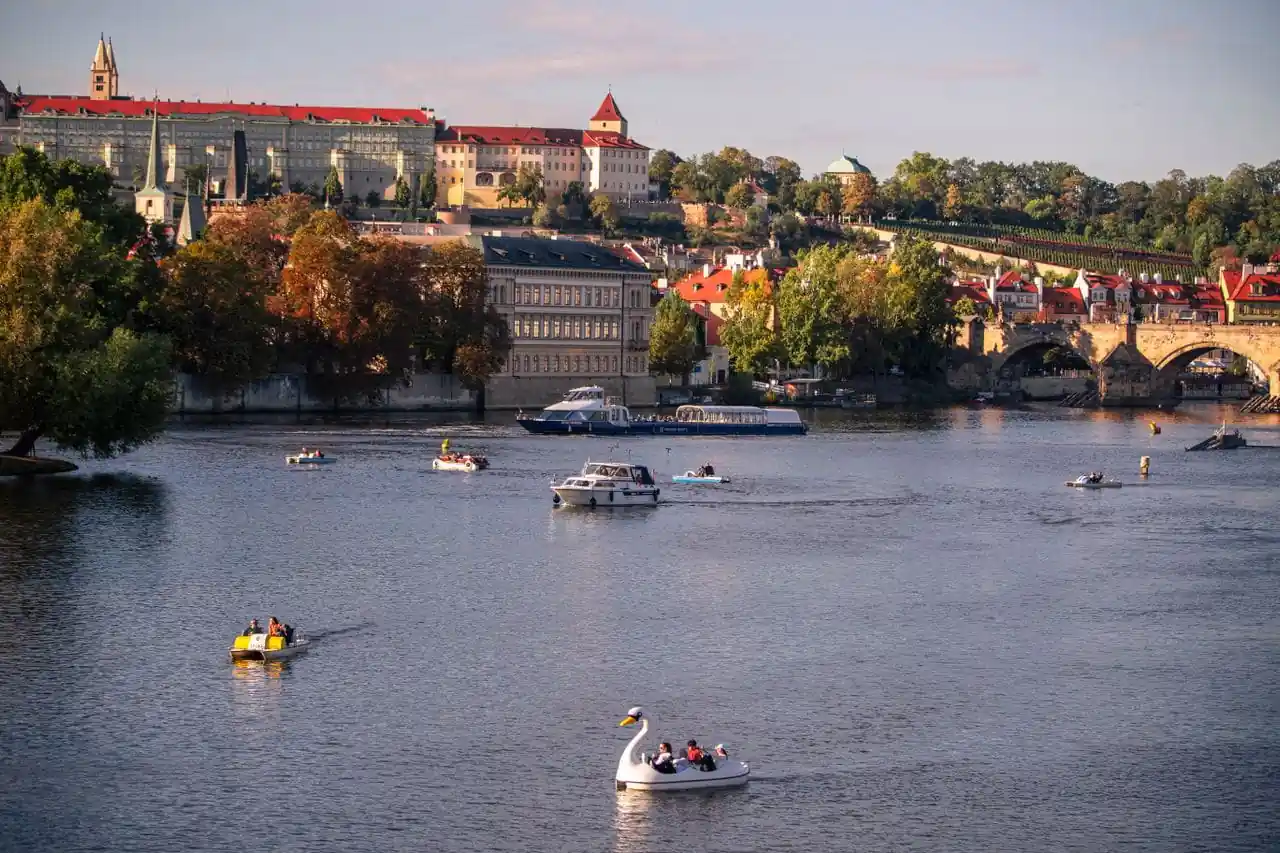
Why travel to Europe in September?
September can offer:
- Late-summer conditions without the most intense midsummer heat.
- Fewer peak-season visitors than July and August.
- Harvests, markets and changing seasonal menus.
- More comfortable conditions for walking, cycling and road trips.
- Greater freedom to explore beyond the busiest destinations.
September is not about chasing the last scraps of summer. It is about experiencing Europe when it feels more spacious, more comfortable and more open to possibility.
Pack the car. Bring the people you like travelling with. Leave enough room in the plan for something unexpected.
Summer may be quieter in September.
That does not mean it is over.
Explore September crossings from Dover to Calais and Hull to Rotterdam.