

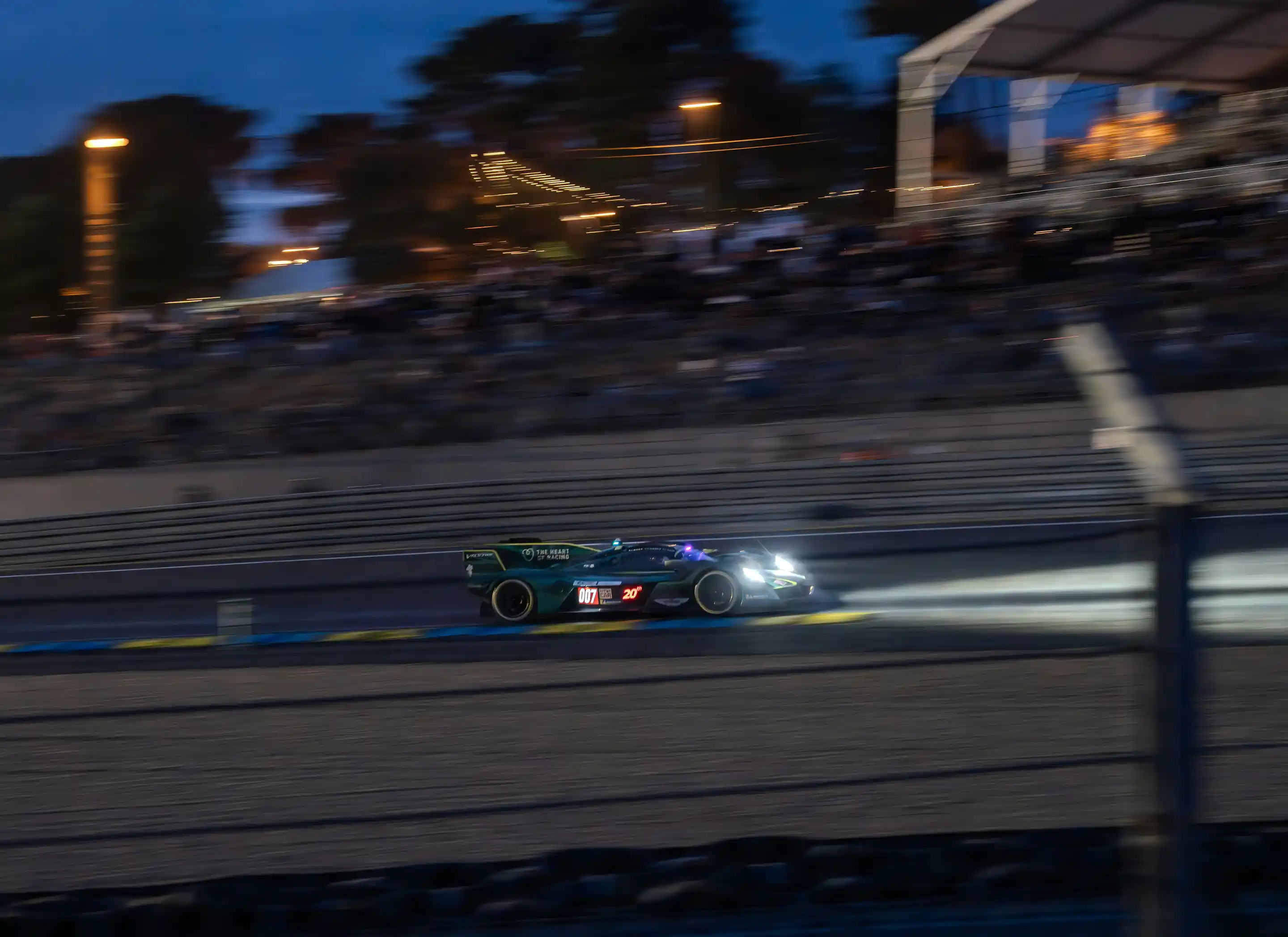
24 Hours in Le Mans: The Ultimate Guide
An experience of a lifetime awaits at the 24 Hours of Le Mans, one of Europe’s most iconic endurance races. Enjoy camping alongside the track, and explore the region at your own pace while witnessing high-speed action around the clock. Travel with P&O Ferries and begin your adventure.
PayPal Pay in 3 interest-free payments on purchases from £20-£3,000. New to Pay Later? Spend £100+ and get £15 cashback. Credit option. Learn more about PayPal Pay in 3

What is the 24 Hours of Le Mans?
Founded and organised by The Automobile Club de l'Ouest, the 24 hr Le Mans is the oldest endurance sports car race in the world, first held in 1923 in the French city of Le Mans. It challenges drivers and teams to cover the greatest distance within a full 24-hour period, combining speed, stamina, and tactical precision. It completes the Triple Crown of Motorsport, along with the Indianapolis 500 and the Monaco Grand Prix.
The race is held at the Circuit de la Sarthe, a unique track that combines permanent racing sections with closed public roads, measuring approximately 8.5 miles (13.6 km). Fans come to experience nonstop racing and the legendary atmosphere of a race that runs continuously from day into night.
What You Should Know about 24 hrs in Le Mans?
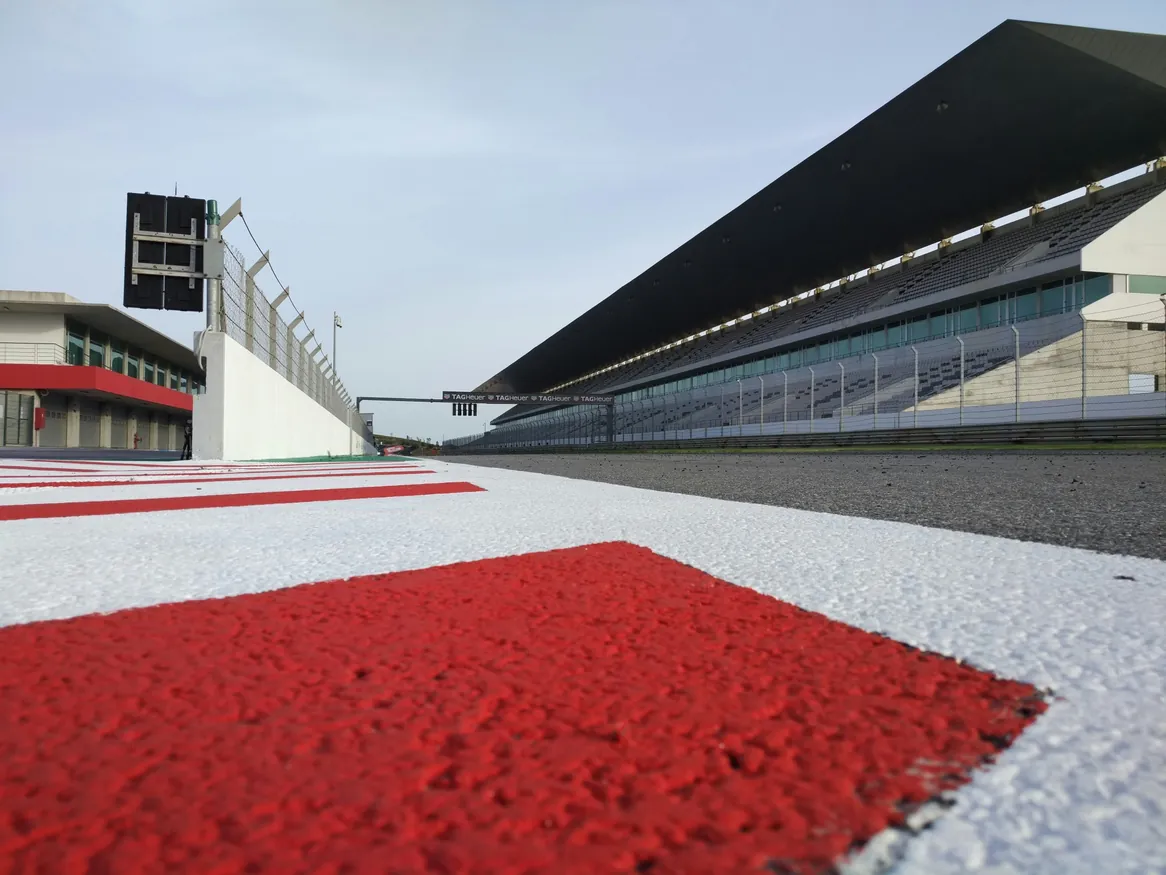
What to Expect at the 24 Hours in Le Mans?
For racing fans, attending the 24 Hours Le Mans is bound to be a memory you will never forget. The atmosphere is electric, as spectators sit at the edge of their seats watching finely designed cars race day and night for a full 24 hours, with excitement and anticipation building with every passing hour.
Attendees usually camp trackside near the Le Mans race course and enjoy a range of activities beyond the racing. The Drivers’ Parade allows fans to see the competitors up close, while pit walks provide insight into the precision and teamwork involved. Fan zones also offer interactive experiences, live entertainment, and concerts, while the Le Mans Museum showcases historic cars and legendary moments in motorsport.
How to Get to Le Mans?
Driving from the UK is straightforward via the Dover to Calais ferry, taking roughly 4.5 hours to reach Le Mans along France’s motorway network.
Ferry travel with P&O Ferries allows fans to bring their own vehicle, giving them the flexibility to carry camping equipment, tools, and personal belongings for an extended stay. The journey then becomes part of the adventure, with opportunities to stop at scenic locations along the way.
It helps to plan your route in advance, especially for motorway tolls and fuel stops, as it can make your arrival smoother, particularly during busy race weekend traffic. Allowing extra time for rest breaks also makes the drive more comfortable, so you arrive ready to enjoy the event rather than feeling rushed. Starting your trip with a ferry to France gives you control over timing, ensuring a seamless arrival and full access to the surrounding area and attractions.
When Does the 24 Hours of Le Mans Take Place?
The 24 Hours in Le Mans race takes place annually in June, typically around mid-month and often close to the summer solstice. Long summer days enhance visibility and the festival-like atmosphere, with fans gathering to watch pit stops, track action, and the exquisite parades.
The 24 Hours of Le Mans start time is 3 pm on Saturday 13 June, and the race finishes 24 hours later on Sunday, allowing spectators to experience both daylight and night racing within a single event. The timing makes it ideal for extended trips, combining the thrill of the race with exploration of the beautiful neighbouring French cities.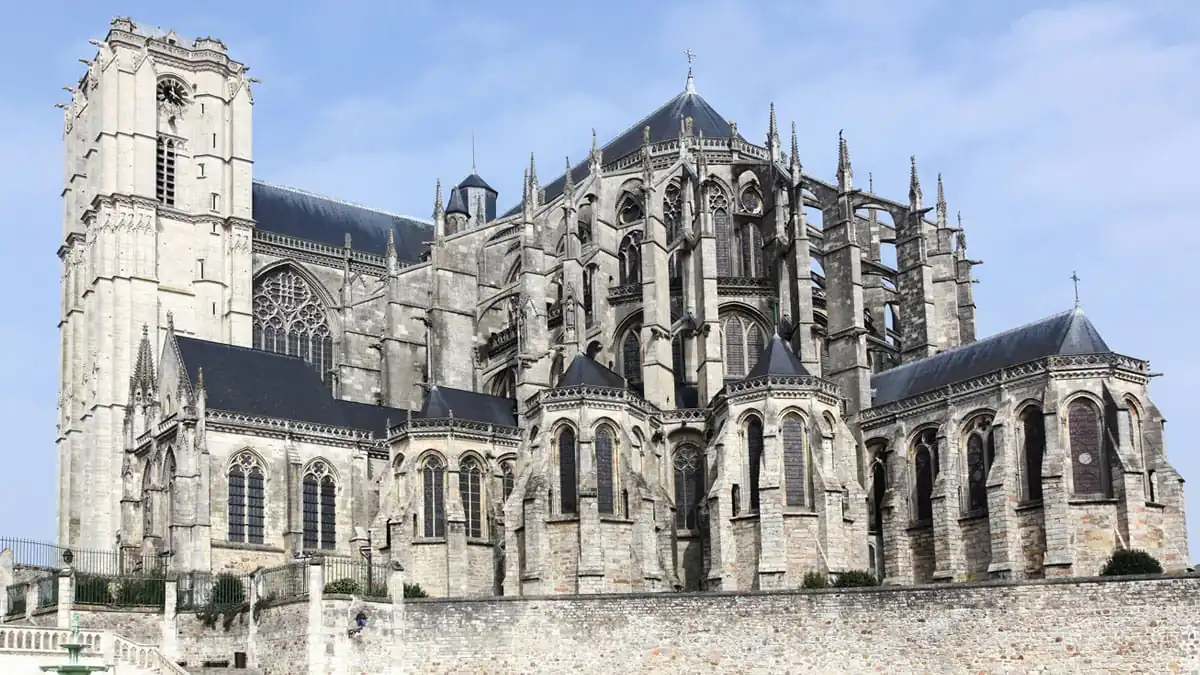
Planning Your 24 Hours Le Mans Trip
Planning ahead is essential to make the most of being at the 24 Hours of Le Mans. Booking tickets early secures access to the best viewing points and fan zones. Consider your accommodation, travel schedule, and equipment needs in advance. Bringing your own vehicle via ferry ensures flexibility for long-term camping, day trips, and exploring off-track destinations.
Packing essentials such as camping gear, food, drinks, and comfortable clothing ensures you are prepared for all weather conditions. It is also worth planning how you will move around the circuit itself, as distances between viewing areas can be significant. Many spectators bring bicycles or scooters to get between key spots more easily, especially during peak hours when traffic builds up around the track.
Where to Stay at Le Mans?
Accommodation in Le Mans ranges from practical trackside camping to premium glamping. Popular campsites like Houx and Maison Blanche place you close to the Le Mans racing circuit, allowing you to wake up steps away from the action and enjoy the community atmosphere of fellow fans.
For those seeking comfort, glamping options and hospitality packages provide pre-set tents, catering, and amenities for a less DIY experience. Nearby hotels are limited in Le Mans itself, but the Loire Valley is within easy driving distance, offering charming stays in historic towns and scenic countryside, allowing fans to combine the race experience with cultural exploration.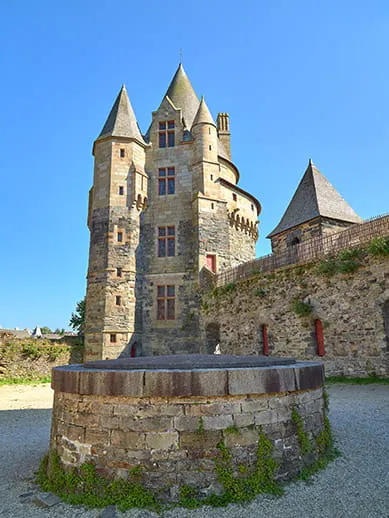
The Le Mans Experience Beyond the Race
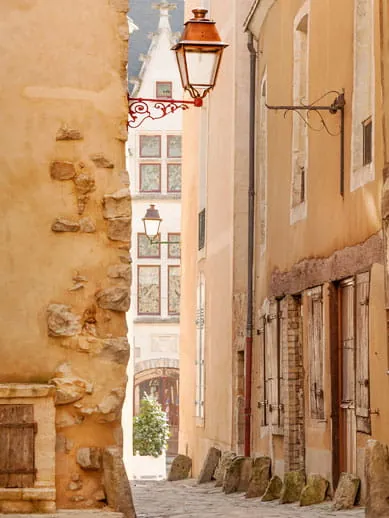
There are so many things to do in Le Mans, the city offers great historic streets, local markets, and cafés where fans can experience the town’s charm. The surrounding Loire Valley (a UNESCO World Heritage site) provides opportunities to explore an impressive selection of Renaissance and medieval castles, sample regional cuisine, and enjoy scenic drives.
This kind of trip allows you to connect motorsport excitement with cultural and leisure activities. Travelling with a vehicle allows visitors to create their own itinerary, stopping at points of interest along the way or continuing to explore other French cities. You can also extend the adventure further if you have time and embark on a full-fledged road trip in France. Travelling to Le Mans & Beyond
Best Nature Holidays in Europe FAQs
Which European Country is Best for Nature?
It depends on your preference, but Italy is widely considered the most biodiverse country in Europe, home to 58,000 animal species. For dramatic landscapes, Norway offers incomparable fjords and glaciers, while Iceland provides unique volcanic scenery. If you prioritize sustainability, Finland and Sweden consistently rank highest in the 2026 Europe Sustainable Development reports for their pristine environmental management and vast forest coverage.
Where in Europe has the Best Wildlife?
For large mammals, Romania’s Carpathian Mountains host the highest density of bears and wolves. If you're seeking rare species, Spain is the place to see the endangered Iberian lynx. Poland’s Białowieża Forest is the top spot for European bison, while Scotland’s Hebrides are world-renowned for marine life and puffins. In the far north, Norway’s Svalbard archipelago remains the premier destination for Arctic wildlife like polar bears and walruses.
Where Can I See Bears in Europe?
Romania is the top choice, housing over 6,000 brown bears. Finland and Sweden also offer excellent "hide" photography tours near the Russian border. For a southern European experience, Slovenia has a thriving population in the Dinaric Alps. Additionally, the Pyrenees (between France and Spain) and Italy's Abruzzo National Park—home to the rare Marsican brown bear are becoming increasingly popular for guided, eco-conscious bear-watching tours.