


Places to Visit on D Day
On 6 June 1944, the Normandy coast was the site of D-Day, the largest seaborne invasion in history. Today, visitors come to Normandy to explore this pivotal moment of WWII, with its beaches, memorials, and museums offering a powerful insight into the events and those who fought there.aked Mediterranean shores to wide sandy beaches in northern France, there are countless destinations to choose from when planning beach holidays in France.
PayPal Pay in 3 interest-free payments on purchases from £20-£3,000. New to Pay Later? Spend £100+ and get £15 cashback. Credit option. Learn more about PayPal Pay in 3
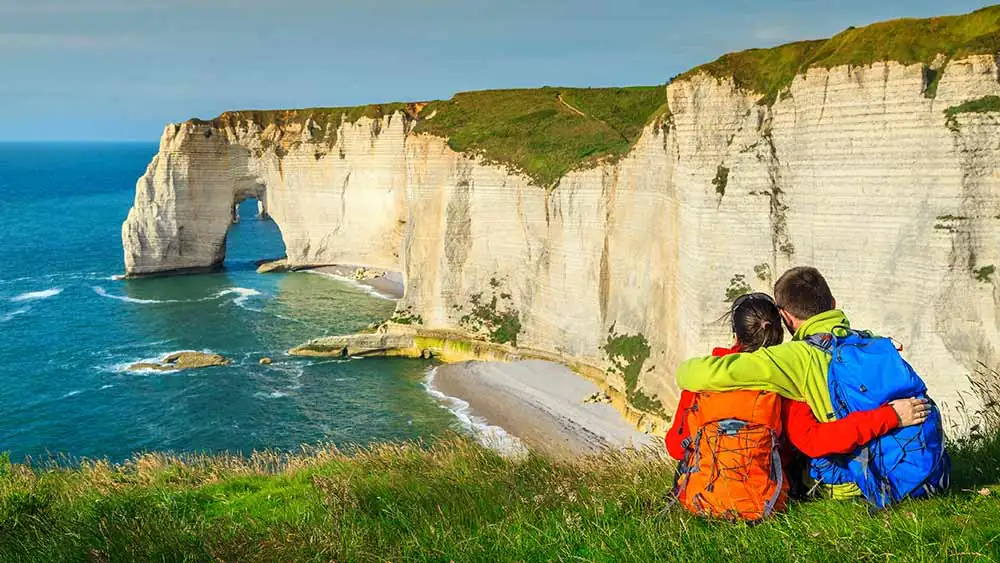
Visiting D Day Beaches in Normandy
Within weeks, over a million troops, vehicles, and vast quantities of supplies had landed in France. Today, the D-Day beaches remain some of the most significant historical sites in Europe, offering visitors the opportunity to learn, reflect, and understand what is D-Day Normandy and the events that shaped modern history.
Visiting Normandy on D-Day or any time of year is a powerful educational experience. The region is home to preserved landing sites, museums, and memorials.
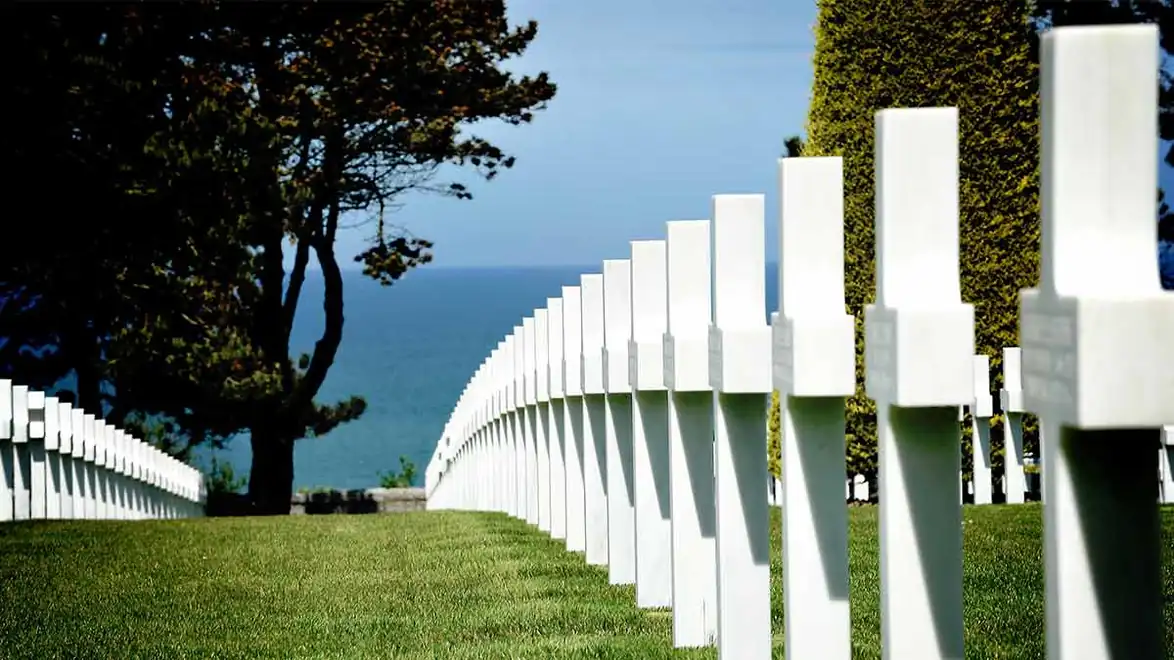
Discovering D-Day Beaches
The D-Day landings took place across five main beaches along the Normandy coast, each with its own unique history and significance. These D-Day sites to visit in Normandy are known as Utah, Omaha, Gold, Juno, and Sword beaches.
Each location played a different role in the Allied advance and now offers visitors the chance to explore museums, memorials, and preserved wartime structures.
Best Places to Visit on D Day
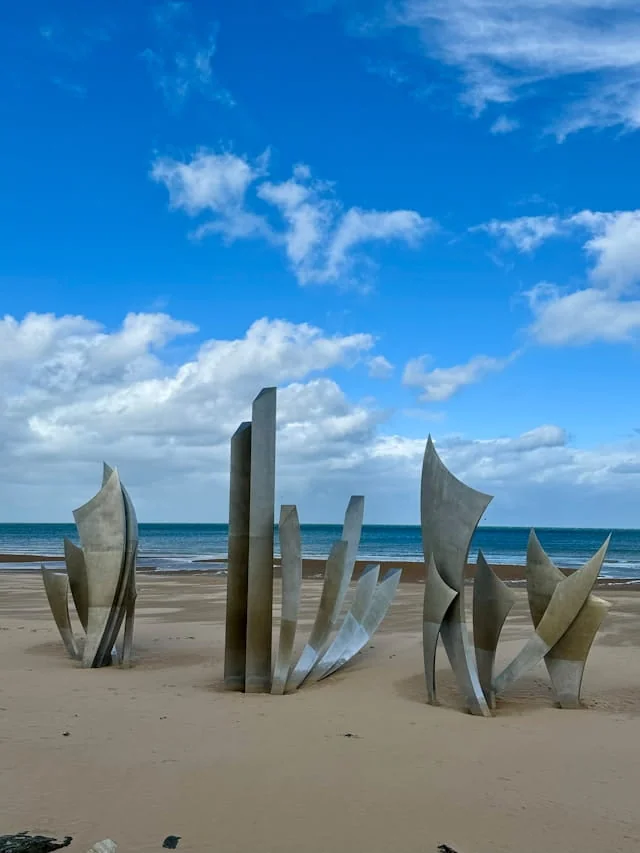
Omaha Beach
Omaha Beach is one of the most well-known D-Day beaches in Normandy. American forces faced extremely strong resistance here, making it one of the most heavily defended and hardest-fought landing areas.
Today, visitors can still see remnants of the Atlantic Wall and explore memorials such as Les Braves, a striking sculpture dedicated to those who landed here. Nearby, the Normandy American Cemetery in Colleville-sur-Mer overlooks the beach and provides a place of reflection.
Omaha Beach is often included in discussions of the most significant D-Day sites to visit in Normandy for its scale and historical importance.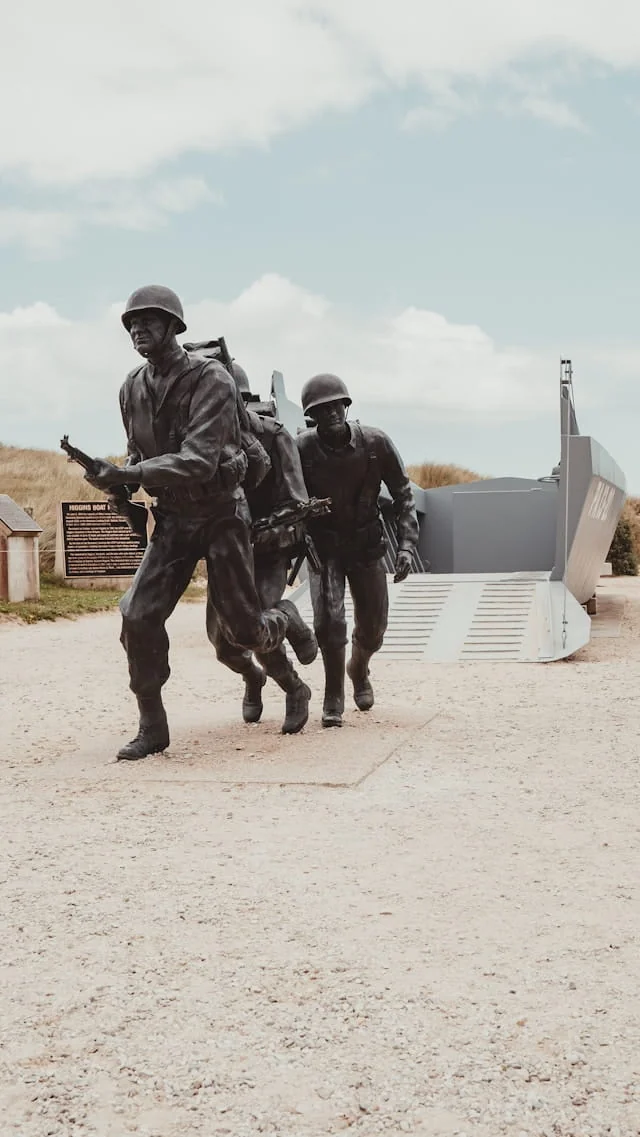
Utah Beach
Utah Beach saw American troops land with comparatively less resistance than other sectors, supported by airborne operations behind enemy lines.
The Musée du Débarquement offers insight into the landings, including personal stories and historical artefacts. Nearby, the Airborne Museum provides further context on the paratroopers who played a key role in securing the area.
For many visitors exploring visiting Normandy on D-Day, Utah Beach provides one of the most accessible and informative experiences.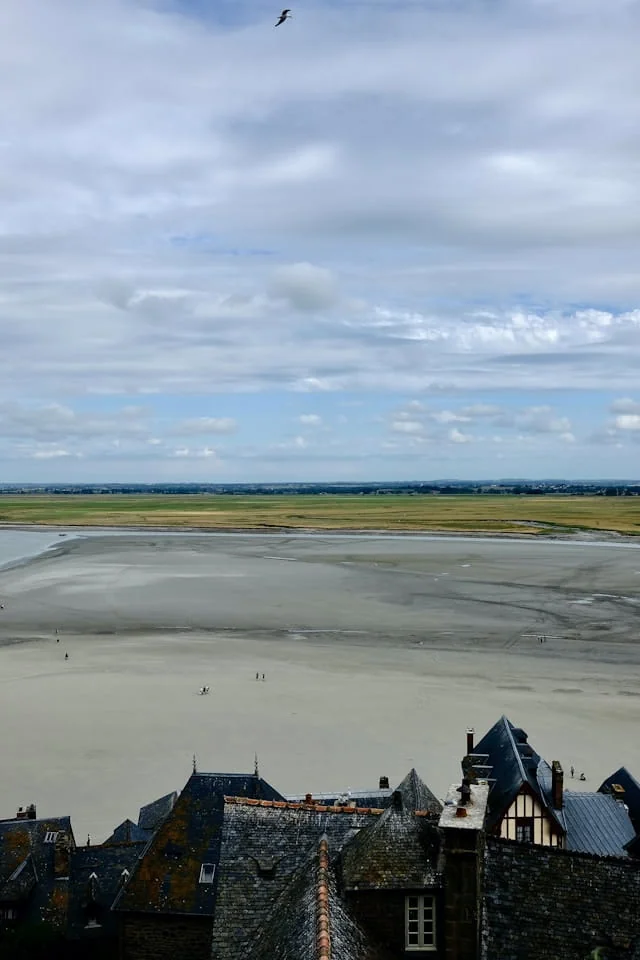
Gold Beach
Gold Beach was assigned primarily to British forces and played an important role in linking the wider Allied advance along the coast.
One of the most significant nearby landmarks is the Longues-sur-Mer battery, a well-preserved German artillery site positioned between Gold and Omaha beaches. The Musée America Gold Beach also helps visitors understand the events of the landing through exhibits and historical displays.
Gold Beach is often recommended when deciding which D-Day beaches to visit due to its central location and strong preservation of wartime structures.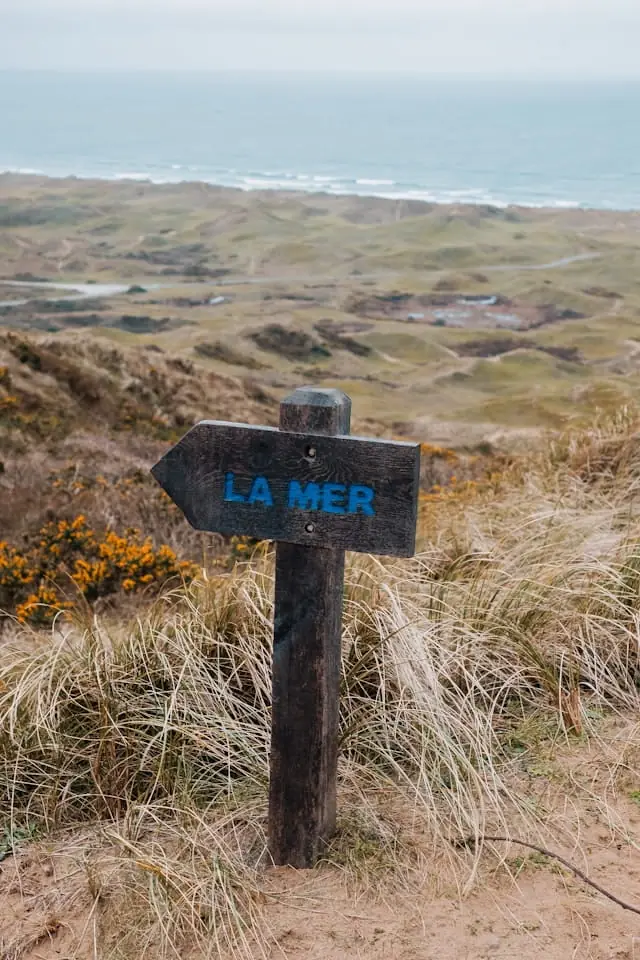
Sword Beach
Sword Beach was the easternmost landing area and was primarily assigned to British troops. It was a key strategic point near the Orne River and Caen Canal.
The Musée du Mur de l’Atlantique, located inside a former German bunker known as the Grand Bunker, offers a detailed look at wartime operations and provides panoramic views over the coastline.
Sword Beach is an important stop for those interested in exploring D-Day sites to visit in Normandy with strong historical interpretation.
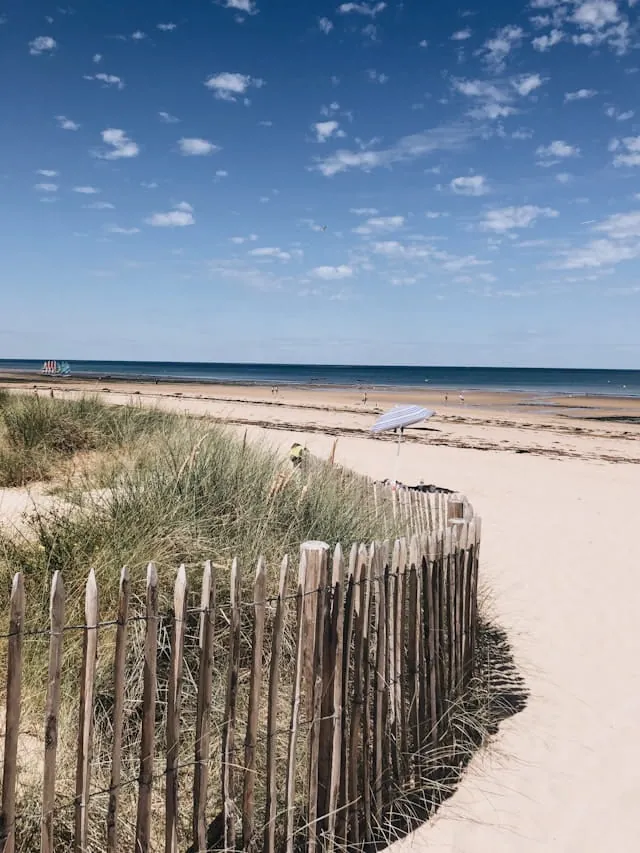
Juno Beach
Juno Beach was the landing site for Canadian forces and is a vital part of the D-Day and the Battle of Normandy.
Despite facing minefields and obstacles, Canadian troops successfully advanced inland. The Juno Beach Centre, located near the shoreline, provides detailed exhibitions on Canada’s role in the operation and the wider war effort.
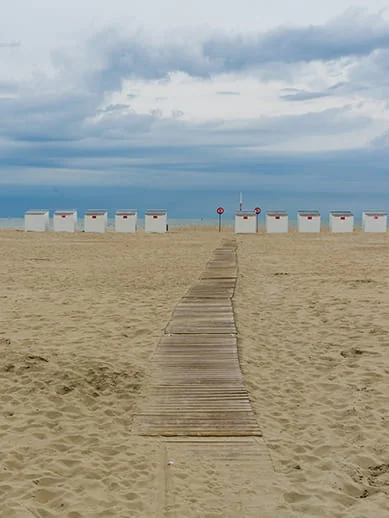
Visiting Normandy’s D-Day Sites Today
Exploring the D-Day beaches in Normandy offers a chance to understand history firsthand and in a meaningful way. Many visitors choose to travel between sites to gain a fuller picture of the Battle of Normandy.
Whether you are interested in museums, preserved bunkers, or quiet stretches of coastline, the region offers a wide range of educational experiences.
When planning visiting Normandy on D-Day, many travellers combine multiple beaches and museums over several days to fully appreciate the scale of the events.
Travelling to the D-Day Beaches with P&O Ferries
One of the most convenient ways to visit Normandy on D-Day or to plan a trip to explore the D-Day beaches is to travel with P&O Ferries.
With regular crossings from the UK to France, allowing you to travel with your vehicle at your own pace makes it easy to reach Normandy’s coastline and surrounding historical sites. This flexibility makes it easy to visit multiple D-Day sites in Normandy, including Omaha, Utah, Gold, Juno, and Sword beaches, as well as nearby museums and memorials.
Places to Visit on D Day FAQs
What is D-Day Normandy?
Which D-Day beaches should I visit?
Can you visit the D-Day beaches today?
What are the most important D-Day sites to visit in Normandy?
How long should I spend visiting Normandy on D-Day sites?
Most visitors spend two to four days exploring the D-Day beaches in Normandy to fully experience the museums, memorials, and surrounding areas.